

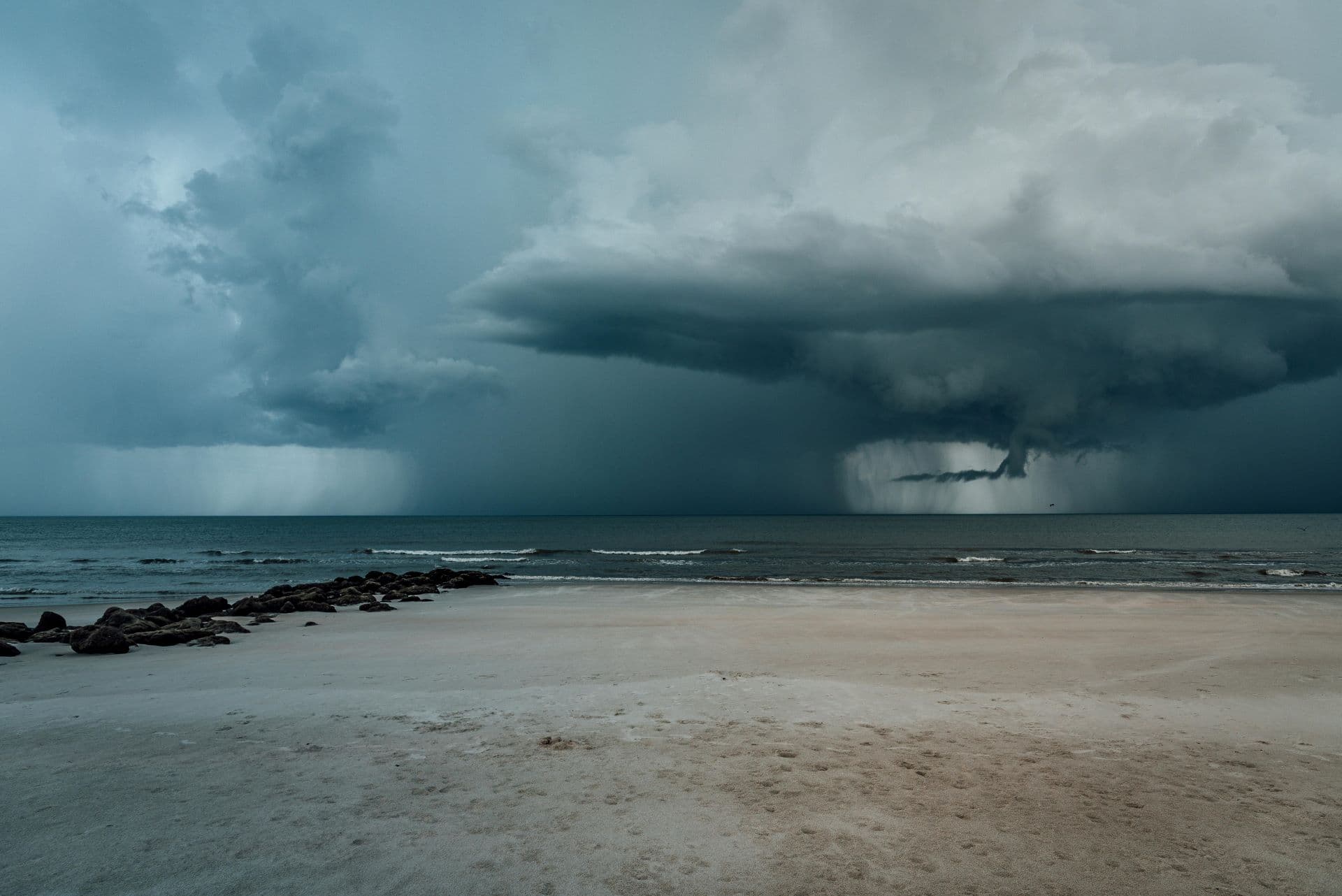
South Africa’s coastline is one of the country’s greatest tourism assets. Stretching more than 2,500 kilometres from the icy Atlantic Ocean to the warmer Indian Ocean, it connects major tourism hubs including Cape Town, Durban, Gqeberha and East London. These cities rely heavily on commercial aviation to move tourists, business travellers and cargo efficiently between regions.
Yet the same coastline that creates spectacular scenery for travellers also creates some of the most difficult flying conditions in Southern Africa. Strong crosswinds, dense fog banks, coastal turbulence and rapidly changing weather patterns regularly disrupt flights throughout the year. Delays, diversions and cancellations are not simply operational inconveniences for airlines. They affect tourism schedules, hotel bookings, car rentals and the broader travel economy.
For many passengers, flight disruptions can seem random or overly cautious. However, aviation meteorology is an extremely precise science. Pilots, airlines and air traffic controllers constantly monitor changing atmospheric conditions to maintain safe operations, especially along South Africa’s volatile coastal regions.
From winter cold fronts hammering Cape Town to summer thunderstorms near Durban, weather remains one of the most powerful forces shaping commercial airline tourism in South Africa.
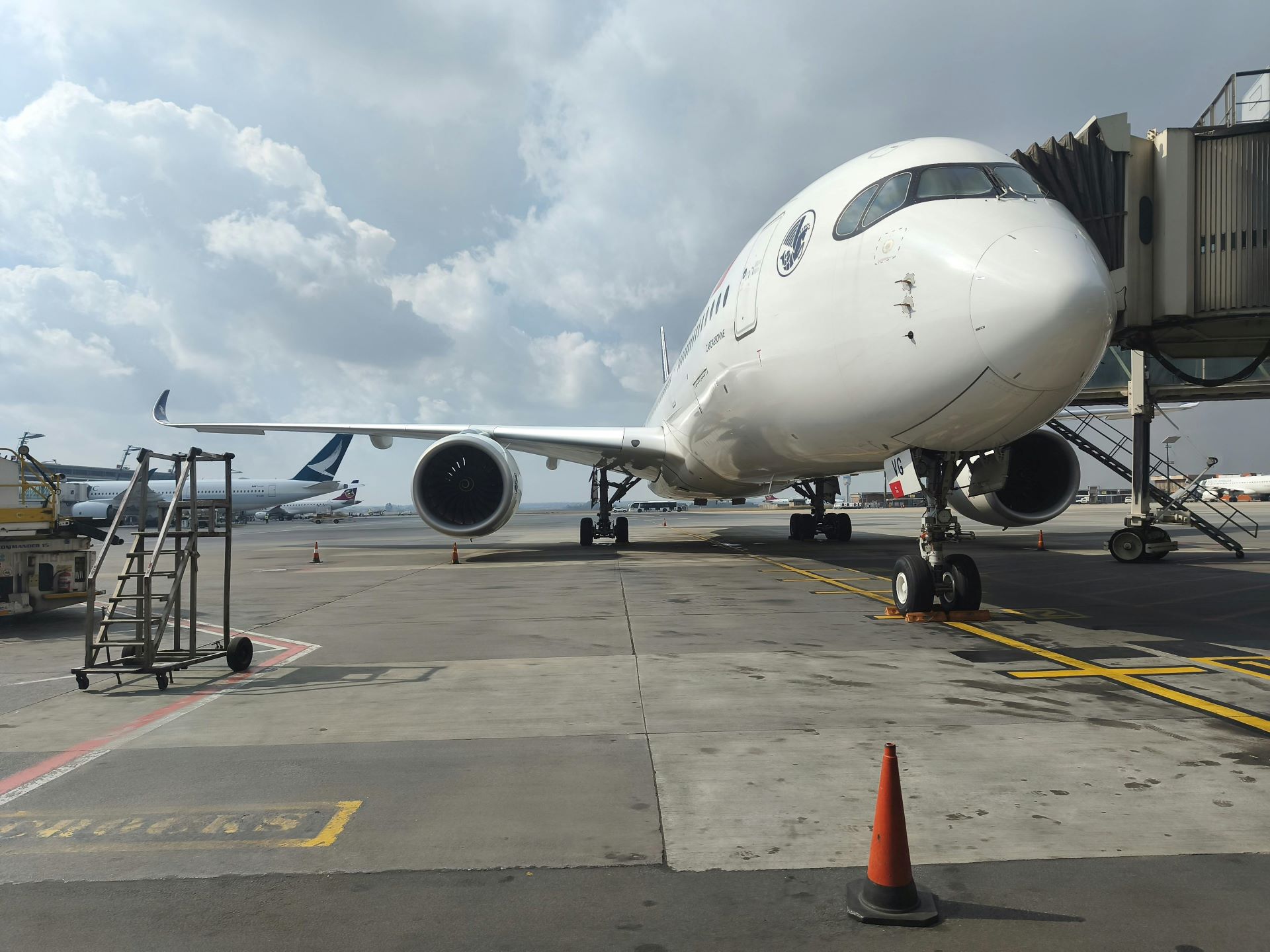
Why South Africa’s Coastline Creates Difficult Flying Conditions
South Africa sits between two major ocean systems. On the western side lies the cold Benguela Current flowing northward along the Atlantic coast. On the eastern side lies the warm Agulhas Current moving southward along the Indian Ocean. The interaction between these ocean systems and inland weather patterns creates highly unstable atmospheric conditions.
Coastal airports operate in an environment where sea temperatures, mountain ranges, humidity and shifting pressure systems all influence flight safety. Unlike inland airports such as Johannesburg’s OR Tambo International Airport, coastal airports often experience rapidly changing visibility and wind conditions within minutes.
Terrain also plays a major role. Cities such as Cape Town are surrounded by mountains that alter airflow and create unpredictable wind shear. Meanwhile, airports along flatter coastal areas can still experience strong gusts caused by pressure differences between ocean and land temperatures.
This combination of oceanic and topographical influences means coastal weather is often more dynamic than inland weather. A clear morning can quickly become hazardous by afternoon as fog rolls in or wind speeds intensify.
The Science Behind Aviation Weather Monitoring
Modern commercial aviation relies heavily on meteorological forecasting. Airlines use sophisticated weather models, satellite imagery, radar systems and real-time observations to plan routes and flight schedules.
Before departure, pilots receive detailed weather briefings covering departure airports, flight paths and destination conditions. These reports include information about:
• Wind direction and speed
• Visibility levels
• Cloud cover and ceiling height
• Turbulence forecasts
• Thunderstorm activity
• Wind shear risks
• Alternate airport conditions
South African airports also use automated weather observation systems that constantly transmit updated data to air traffic control and airlines.
Even with advanced forecasting technology, coastal weather can still evolve faster than predicted. Pilots may therefore need to hold in the air while conditions improve, divert to alternate airports or abandon landing attempts altogether.
Passengers often experience these operational decisions as frustrating delays, but aviation prioritises safety margins above schedule reliability.
Cape Town and the Challenge of Crosswinds
Cape Town International Airport is widely regarded as one of the most weather-sensitive airports in South Africa. While its location makes it visually spectacular for arriving tourists, it also exposes aircraft to powerful crosswinds generated by the region’s unique geography.
The city’s famous “Cape Doctor” wind, primarily active during summer, develops as high-pressure systems interact with coastal heating patterns. These strong southeasterly winds can create severe crosswind conditions during take-off and landing.
Crosswinds occur when wind blows across the runway rather than directly along it. Commercial aircraft are designed to handle significant crosswinds, but every aircraft type has operational limits.
When wind speeds exceed safe thresholds, pilots may need to:
• Delay landing approaches
• Conduct go-arounds
• Divert to alternate airports
• Reduce aircraft weight
• Wait for calmer conditions
Cape Town’s surrounding mountains further complicate matters. Airflow over Table Mountain creates turbulence and wind shear near the airport, particularly during strong southeasterly conditions.
Passengers approaching Cape Town during windy weather often experience sudden jolts and sharp aircraft movements during descent. While uncomfortable, these are typically normal responses to turbulent airflow.
For airlines, however, these conditions create operational challenges that ripple throughout daily schedules.
Fog Along the Atlantic Coast
Fog is one of the most disruptive weather phenomena affecting South African coastal aviation. Along the Atlantic coastline, especially near Cape Town, fog forms when moist air moves over cold ocean water associated with the Benguela Current.
This type of fog can reduce visibility dramatically within a short period. Aircraft rely heavily on visibility during landing operations, particularly during final approach.
Although modern airports use instrument landing systems that assist pilots in low visibility conditions, there are still minimum visibility requirements for safe operations.
When fog becomes too dense:
• Aircraft may delay departures
• Incoming flights may enter holding patterns
• Flights may divert to inland airports
• Entire morning schedules may collapse
Fog disruptions are especially common during autumn and winter mornings when cooler temperatures increase condensation potential.
Tourists flying into Cape Town for short holiday breaks are often surprised by how heavily fog can affect operations despite otherwise mild weather elsewhere in the city.
Durban’s Summer Thunderstorms
While Cape Town battles wind and fog, Durban International air traffic faces a different weather threat: convective storms.
King Shaka International Airport experiences humid subtropical conditions influenced by the warm Agulhas Current. During summer, rising heat and moisture create powerful thunderstorms capable of disrupting airline operations.
Thunderstorms pose several aviation hazards simultaneously:
• Lightning strikes
• Severe turbulence
• Heavy rainfall
• Wind shear
• Microbursts
• Reduced visibility
Microbursts are especially dangerous during landing and take-off phases. These intense downward air currents spread outward upon hitting the ground, rapidly changing aircraft lift conditions.
Although modern aircraft and pilot training are designed to manage these situations safely, air traffic controllers often suspend operations temporarily during severe storm activity.
Flights departing Johannesburg for Durban during summer afternoons frequently encounter turbulence associated with thunderstorm development over KwaZulu-Natal.
For tourists travelling to coastal resorts, these weather delays can affect onward transportation arrangements and accommodation check-ins.
Seasonal Turbulence Over Coastal Regions
Turbulence remains one of the most misunderstood aspects of commercial aviation. Many passengers associate turbulence with danger, yet most turbulence experienced on commercial flights is routine atmospheric instability.
South Africa’s coastal regions generate several types of turbulence throughout the year.
Mechanical turbulence develops when strong winds interact with terrain such as mountains and cliffs. This is common around Cape Town.
Thermal turbulence forms when uneven surface heating causes rising and sinking air currents. Coastal regions experiencing rapid temperature shifts can produce significant thermal activity.
Clear-air turbulence may also occur at higher altitudes where jet streams interact with pressure systems. These invisible turbulent zones are difficult to detect visually.
Winter cold fronts moving across the southern coastline often create rough flying conditions between Cape Town, Gqeberha and Durban. Passengers travelling during these periods frequently report bumpy flights even when skies appear relatively clear.
Although turbulence rarely poses structural danger to modern aircraft, it remains a major operational consideration for airlines because it affects passenger comfort and crew safety.
The Importance of Alternate Airports
When weather conditions deteriorate beyond operational limits, aircraft may divert to alternate airports. Every commercial flight must carry enough fuel to reach its destination, hold if necessary and proceed safely to an alternate location.
In South Africa, common alternates for coastal airports include:
• Johannesburg
• Bloemfontein
• Upington
• Lanseria
• George
Alternate airport selection depends on weather conditions, runway capability, aircraft type and fuel planning.
Diversions create complex logistical challenges. Airlines must arrange:
• Passenger transportation
• Accommodation
• Crew scheduling
• Aircraft repositioning
• Baggage handling
For tourism-dependent regions, repeated weather disruptions can place pressure on hospitality operators expecting scheduled tourist arrivals.
During severe winter fronts in Cape Town, diversion traffic can significantly increase across inland airports.
How Airlines Minimise Weather Disruptions
Commercial airlines invest heavily in operational resilience strategies to reduce weather-related delays.
Modern aircraft contain advanced weather radar systems capable of detecting storm cells and turbulence zones. Dispatch teams constantly update flight crews with evolving forecasts and rerouting options.
Airlines also build weather flexibility into scheduling by:
• Adding buffer times between flights
• Positioning reserve aircraft strategically
• Training crews for difficult approaches
• Using aircraft suited for regional weather conditions
Some airlines may temporarily reduce passenger loads during extreme weather to improve aircraft performance margins.
Regional carriers operating smaller aircraft often face stricter weather limitations than larger jet operators. This explains why domestic commuter flights are sometimes cancelled while larger commercial services continue operating.
Passengers may interpret inconsistent cancellations as unfair treatment, but operational limits differ substantially between aircraft categories.
Wind Shear and Its Aviation Risks
Wind shear refers to sudden changes in wind speed or direction over short distances. It is one of the most closely monitored aviation weather hazards because it can affect aircraft performance during take-off and landing.
Coastal environments are especially vulnerable to wind shear due to shifting oceanic air masses and temperature gradients.
Pilots encountering wind shear may experience abrupt airspeed fluctuations or changes in aircraft lift. Modern aircraft feature sophisticated warning systems that alert crews immediately.
When wind shear alerts activate near airports:
• Aircraft may delay approach attempts
• Pilots may execute go-arounds
• Air traffic spacing may increase
• Departures may pause temporarily
Cape Town and Durban both experience periodic wind shear events during strong weather systems.
These operational precautions are vital because the most critical phases of flight occur close to the ground where pilots have less time to react.
The Economic Impact on Tourism
Weather-related flight disruptions carry significant economic consequences for South African tourism.
Tourism functions on tightly connected schedules involving airlines, hotels, tour operators, car rental agencies and event organisers. A single delayed flight can disrupt an entire chain of tourism activity.
International visitors with short itineraries are particularly vulnerable. Missed domestic connections may reduce time spent at destinations such as Cape Town, the Garden Route or Durban’s beachfront.
Cruise tourism can also be affected when delayed passengers miss embarkation schedules.
For airlines, disruptions increase operational costs through:
• Fuel burn during holding patterns
• Passenger compensation
• Crew overtime
• Aircraft repositioning
• Accommodation expenses
South Africa’s tourism industry therefore relies heavily on efficient weather forecasting and operational coordination to maintain reliability.
Why Winter Is Especially Difficult for Coastal Aviation
Winter brings some of the harshest aviation weather to South Africa’s southern coastline.
Cold fronts moving eastward across the Atlantic generate:
• Gale-force winds
• Heavy rainfall
• Low cloud cover
• Mountain wave turbulence
• Severe crosswinds
Cape Town and George Airport are particularly exposed during these frontal systems.
George Airport, located along the Garden Route, presents additional challenges because surrounding mountains can trap low cloud and turbulence within approach corridors.
Pilots operating into George require specialised training due to the airport’s terrain-sensitive procedures.
Tourists visiting coastal regions during winter often underestimate how dramatically weather can affect airline reliability, especially compared to the generally stable conditions experienced inland.
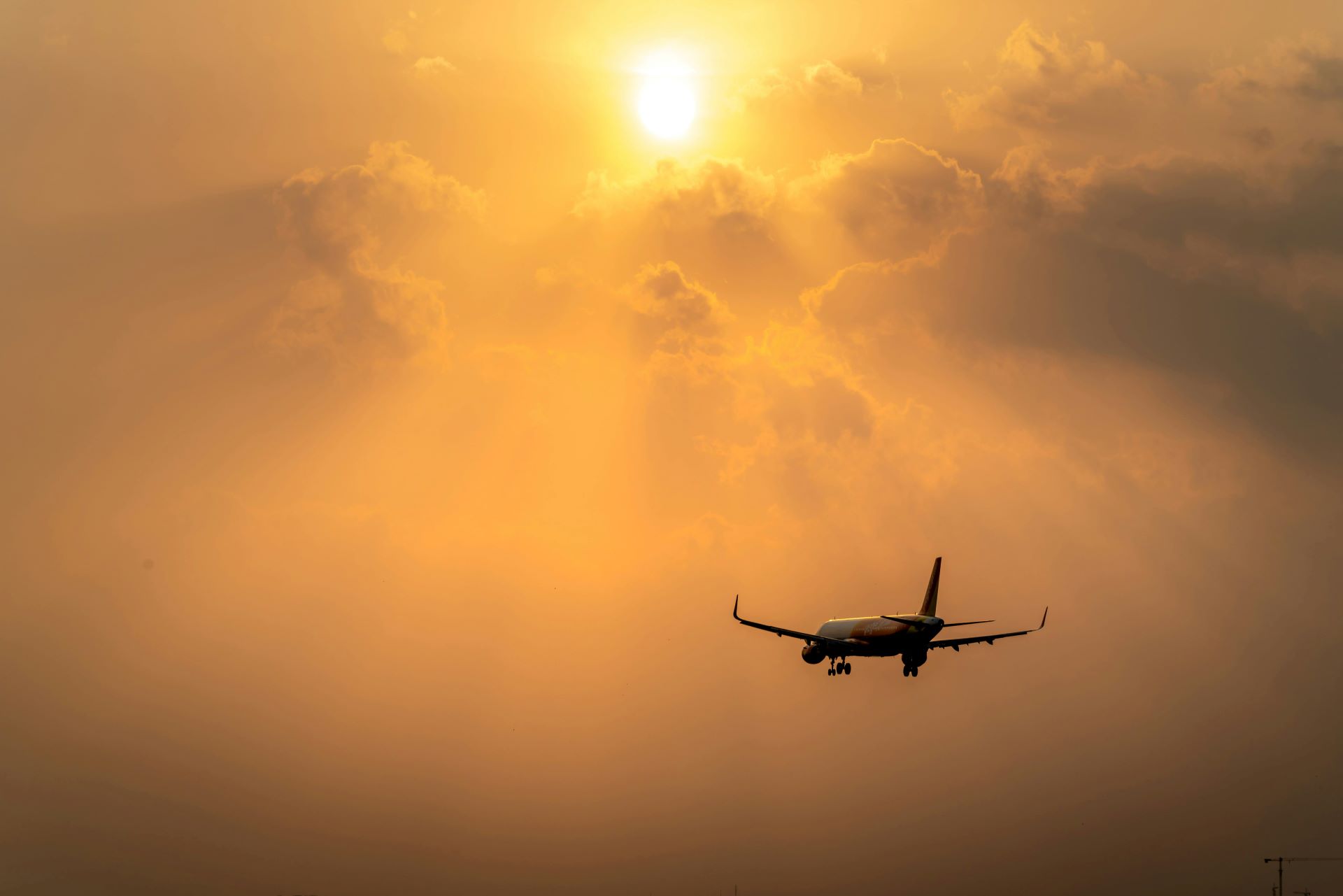
Summer Coastal Flying Conditions
Summer generally brings more stable conditions to the Western Cape but introduces different risks along the eastern coastline.
Durban and East London experience increased thunderstorm activity due to heat and humidity. Convective weather becomes more common during afternoon and evening periods.
Meanwhile, Cape Town’s summer winds can still produce major operational disruptions despite otherwise sunny conditions.
Holiday travel peaks during summer, meaning weather disruptions can affect significantly larger passenger volumes. Airports become more congested, reducing operational flexibility when delays occur.
Even relatively minor weather disruptions can therefore escalate rapidly during peak tourism periods.
The Passenger Experience During Weather Delays
From a traveller’s perspective, weather disruptions can feel confusing and inconsistent. One flight departs normally while another nearby service is delayed or cancelled.
This occurs because weather decisions depend on multiple operational variables including:
• Aircraft type
• Crew qualifications
• Fuel levels
• Airport traffic
• Wind direction
• Alternate airport conditions
Pilots operate under strict regulatory frameworks that prioritise conservative decision-making. Safety margins are intentionally high.
Passengers may occasionally hear terms such as “holding pattern,” “go-around” or “weather minimums” during announcements. These are standard aviation procedures designed to manage uncertainty safely.
Tourists unfamiliar with coastal aviation conditions are often surprised by how quickly weather can change near South African airports.
A bright morning at a beachfront hotel does not necessarily guarantee stable flying conditions several thousand feet above the coastline.
Technological Advances in Weather Forecasting
South African aviation authorities and airlines increasingly rely on advanced forecasting technologies to improve operational reliability.
Modern forecasting tools include:
• Doppler weather radar
• Satellite monitoring
• Predictive turbulence modelling
• Real-time wind analysis
• Automated runway sensors
Artificial intelligence and machine learning are also becoming more integrated into aviation forecasting systems globally.
Improved forecasting allows airlines to adjust schedules proactively rather than reactively. In some cases, flights may depart earlier or later specifically to avoid forecast weather peaks.
Cape Town International Airport has invested significantly in weather monitoring infrastructure due to its complex operational environment.
These technological improvements help reduce unnecessary cancellations while maintaining safety standards.
Coastal Airports Most Affected by Weather
Several South African coastal airports are particularly vulnerable to weather disruptions.
Cape Town International Airport
Cape Town experiences some of the country’s strongest operational wind challenges. Fog and winter frontal systems further complicate operations.
George Airport
George’s mountainous surroundings create difficult approach conditions during low cloud and turbulence events.
King Shaka International Airport
Durban’s primary airport faces seasonal thunderstorm activity, humidity-related visibility issues and occasional wind shear.
Chief Dawid Stuurman International Airport
Gqeberha experiences coastal winds and changing frontal conditions that can influence aircraft performance.
East London Airport
East London’s coastal location makes it vulnerable to fog, low cloud and strong onshore winds during certain weather systems.
Each airport presents unique meteorological challenges requiring tailored operational procedures.
Why Pilots Sometimes Abort Landings
Passengers are often startled when an aircraft suddenly accelerates upward moments before landing. This procedure, known as a go-around, is entirely normal in aviation.
Go-arounds occur when conditions become unsuitable for safe landing during final approach.
Possible causes include:
• Wind instability
• Poor visibility
• Runway obstruction
• Aircraft spacing issues
• Sudden weather deterioration
Coastal airports experience relatively frequent go-arounds because weather conditions can change rapidly near landing thresholds.
Pilots train extensively for these manoeuvres in simulators and real-world operations.
Although unsettling for passengers, go-arounds demonstrate aviation’s strong safety culture rather than operational failure.
How Climate Change Could Affect Coastal Aviation
Climate scientists increasingly warn that changing weather patterns may intensify aviation challenges globally.
For South Africa’s coastline, climate change could potentially influence:
• Storm intensity
• Wind variability
• Fog frequency
• Heat-related aircraft performance
• Thunderstorm severity
Warmer atmospheric conditions may also contribute to stronger turbulence patterns at cruising altitudes.
Airlines and aviation authorities are therefore investing more heavily in climate resilience planning and forecasting capabilities.
Tourism-dependent coastal cities may need to adapt airport infrastructure and scheduling systems to manage increasingly variable weather conditions in future decades.
Tips for Travellers Flying Along South Africa’s Coastline
Passengers cannot control the weather, but they can prepare more effectively for coastal aviation disruptions.
Travellers should consider:
• Booking earlier flights where possible
• Allowing buffer time for connections
• Monitoring airline notifications carefully
• Avoiding tight same-day itineraries
• Purchasing flexible travel insurance
Winter travellers to Cape Town and the Garden Route should especially anticipate possible delays during frontal systems.
Tourists visiting Durban during summer should also expect occasional thunderstorm-related disruptions, particularly during afternoon periods.
A flexible travel schedule significantly reduces stress when coastal weather becomes unpredictable.
Why Safety Always Comes First
Commercial aviation operates within one of the world’s most safety-focused industries. Weather-related decisions may appear overly cautious to passengers, but these standards exist because aviation prioritises risk prevention rather than risk reaction.
South Africa’s coastal airports are staffed by highly trained meteorologists, pilots, controllers and operational specialists who continuously monitor evolving conditions.
Every delayed flight, diverted aircraft or aborted landing represents a system functioning exactly as designed.
Although disruptions can inconvenience tourists and airlines alike, they also reflect the aviation sector’s commitment to maintaining exceptionally high safety standards.
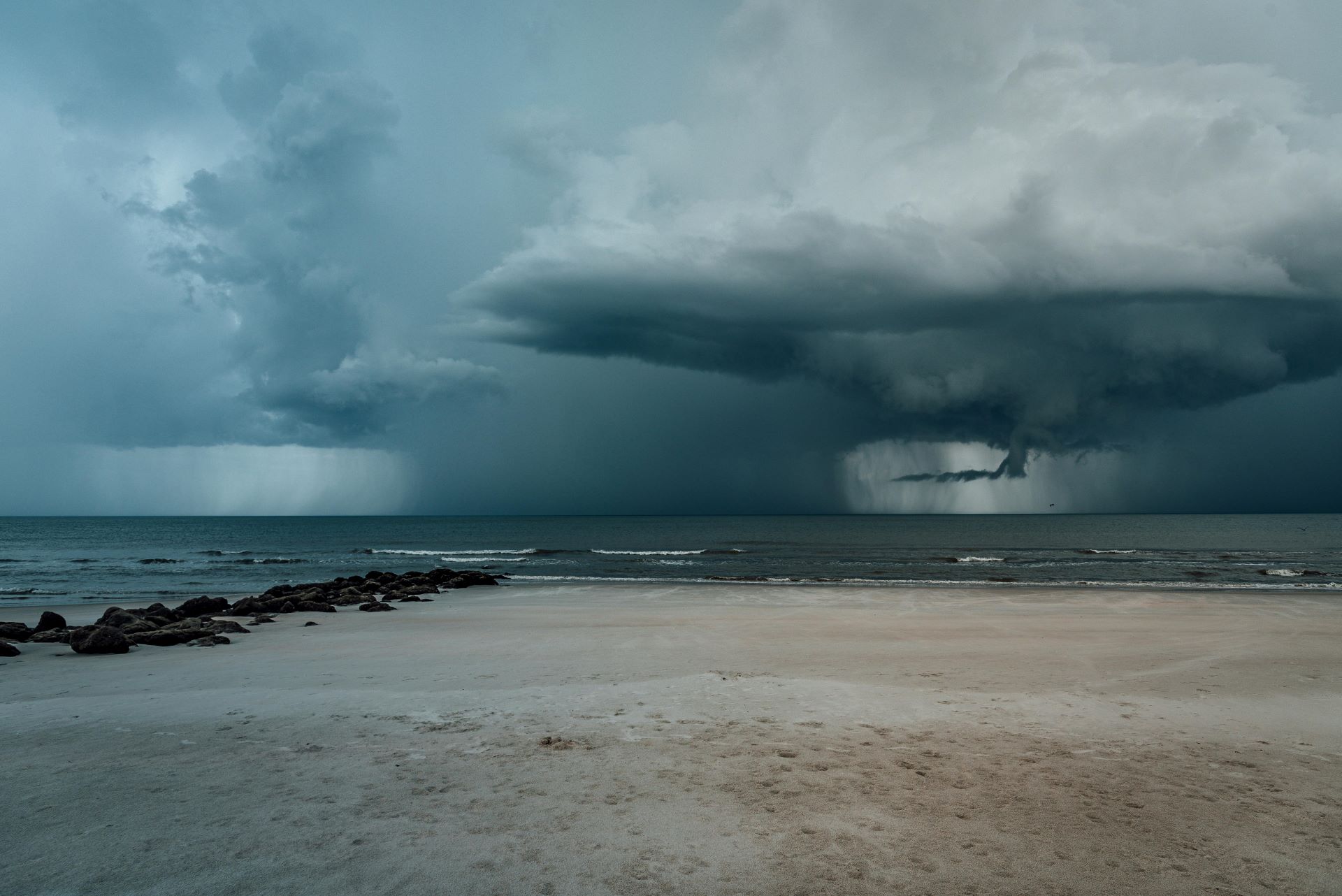
South Africa’s coastline delivers some of the world’s most visually spectacular flying experiences. Approaching Cape Town with Table Mountain emerging through cloud, or descending over Durban’s warm Indian Ocean shoreline, remains unforgettable for many travellers.
Yet beneath these scenic arrivals lies a complex meteorological environment shaped by ocean currents, mountain terrain, seasonal fronts and atmospheric instability.
Wind, fog and turbulence are not unusual inconveniences along South Africa’s coast. They are defining operational realities for commercial aviation in the region.
As tourism continues growing and passenger numbers increase, understanding the relationship between weather and aviation becomes increasingly important for travellers. Delays and diversions are rarely signs of inefficiency. More often, they are evidence of an industry carefully navigating one of nature’s most unpredictable environments.
For South African airline tourism, the coastline remains both a breathtaking gateway and a constant atmospheric challenge.
Elisha Roodt
Specializing in uncovering the best flight deals, ticketing strategies, and essential travel tips to help you navigate global destinations with ease and confidence.