

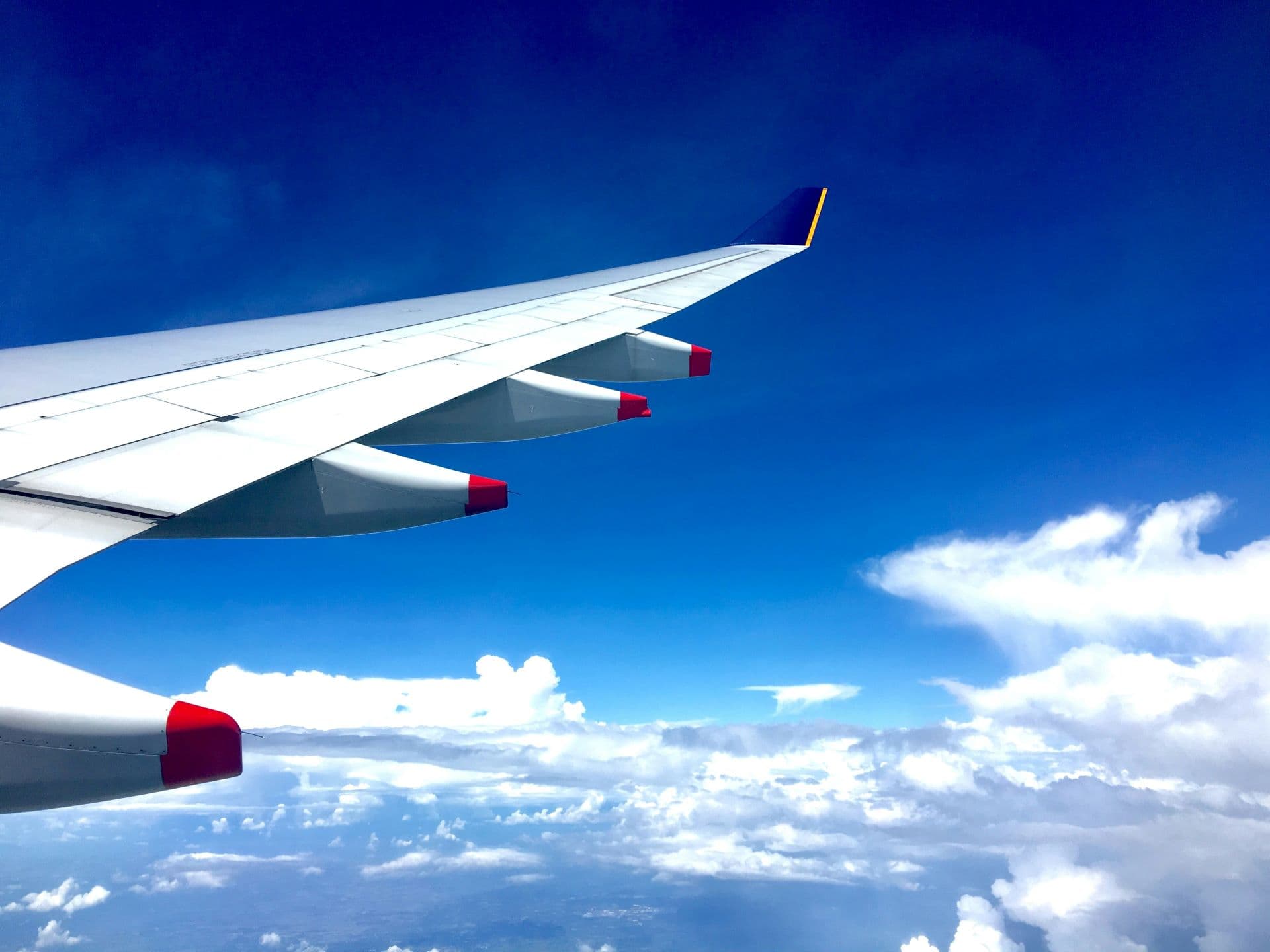
The aviation industry has slowly evolved from being merely a transportation network into something closer to a storytelling ecosystem. Modern airlines do not just carry passengers across oceans and deserts. They carry emotions, aspirations, and the digital echoes of wanderlust itself. In the age of scrolling culture, flight brands function simultaneously as logistics providers and lifestyle influencers. Their social media feeds are not marketing channels alone but cultural stages where travel fantasies are rehearsed and refined.
Tourism has always been fuelled by desire. What has changed is the medium through which that desire is ignited. Instead of waiting for a traveller to open a brochure or consult a travel agent, airlines now speak directly to potential passengers through curated images, short-form videos, and community engagement posts that blur the line between advertising and entertainment.
Brands such as Emirates (airline) have built digital presences that feel closer to luxury travel magazines than transportation services. Meanwhile, carriers like Qatar Airways use cinematic social storytelling to position flight experience itself as a destination. Even legacy carriers such as South African Airways increasingly experiment with online engagement strategies to remain visible in a competitive global aviation market.
The underlying philosophy is simple but powerful. If people can be persuaded to emotionally visit a place online, they are more likely to convert that curiosity into a physical journey. Airline social media has therefore become a behavioural architect, shaping how travellers imagine the world before they pack their bags.

Airlines as Digital Influencers
The modern airline is not merely a brand. It is a personality performing in the grand theatre of social attention. Traditional influencers build audiences by documenting lifestyle experiences, but airlines have an advantage: they control the narrative of mobility itself.
Flight brands possess visual assets that are inherently aspirational. Aircraft silhouettes cutting through sunrise clouds, cabin interiors glowing softly during night flights, and destination skylines appearing beneath wing windows create a sensory language that travel audiences instinctively understand. Social media allows airlines to transform these assets into continuous engagement loops.
Unlike conventional advertising campaigns, which are often episodic, airline social media operates like a living conversation. Posts are timed around seasonal tourism peaks, international events, and cultural celebrations. The objective is not only to sell tickets but to maintain emotional presence inside the traveller’s imagination.
Influencer behaviour emerges naturally when airlines respond to comments, repost traveller-generated content, and participate in digital conversations about destinations. When a carrier shares a passenger’s photo of a sunset arrival in Cape Town or a mountain approach into the Middle East, the airline shifts from corporate communicator to travel companion.
This influencer identity also requires careful tone management. Overly promotional posts are often ignored by younger audiences who expect authenticity and narrative value. Instead, successful airlines frame marketing as travel inspiration rather than commercial persuasion.
The digital personality of a carrier therefore resembles a well-travelled storyteller. It speaks in scenic imagery, subtle brand placement, and travel curiosity rather than aggressive sales language. In this sense, airline marketing has evolved into cultural soft diplomacy wrapped inside a social feed.
The Psychology of Destination Hype
Destination hype operates on emotional anticipation rather than immediate purchase intent. Social media has transformed travel marketing into a delayed gratification engine, where exposure to beautiful locations gradually increases the desire to experience them physically.
Human psychology responds strongly to narrative closure. When users see videos of beach arrivals, mountain landings, or city sunsets, their minds begin constructing a future scenario where they are the protagonist of that scene. Airlines exploit this cognitive tendency by presenting destinations as unfinished stories waiting for traveller participation.
The mechanism is similar to serialised entertainment. Each post functions like a chapter that encourages audiences to imagine the next experience. A cabin interior post might be followed by a destination skyline, then a food experience, then a cultural landmark.
Luxury positioning plays an important role here. Carriers such as Qatar Airways emphasise comfort, exclusivity, and smooth journey transitions. The message is not simply about reaching a place but about travelling in a way that feels emotionally elevated.
Scarcity psychology also influences engagement-driven tourism marketing. Limited-time fare promotions or seasonal travel windows create urgency. When audiences believe that an opportunity might disappear, they are more likely to act quickly.
Another powerful element is identity aspiration. People often choose destinations that reflect how they want to be perceived socially. Posting about exotic locations allows users to signal lifestyle values such as adventure, sophistication, or cultural curiosity.
Airline social media therefore does not sell seats alone. It sells future versions of the self.
Visual Storytelling at Altitude
Flight tourism marketing is fundamentally visual. The sky itself becomes a marketing canvas where colour gradients, cloud textures, and light reflections function as brand vocabulary.
Modern travellers respond more strongly to video content than static images. Short cinematic clips showing aircraft movement, cabin lighting transitions, or aerial views of urban landscapes generate higher interaction rates.
The effectiveness of visual storytelling comes from its ability to compress travel experience into micro-narratives. A fifteen-second video of an aircraft descending toward a coastal runway can contain the emotional weight of an entire holiday expectation cycle.
Luxury airlines have mastered this aesthetic language. For example, Emirates (airline) often uses slow-motion cabin shots combined with orchestral soundscapes, producing content that feels closer to digital art than advertisement.
Lighting design is particularly important in airline marketing visuals. Warm interior lighting communicates comfort and safety, while exterior sunset shots create romanticised travel moods. The human brain associates soft golden light with relaxation and holiday freedom.
Social platforms have also pushed airlines toward vertical video formats. This shift mirrors mobile-first consumption behaviour, where travel inspiration is often discovered during casual browsing moments rather than dedicated travel planning sessions.
User-generated content amplifies visual storytelling authenticity. When passengers share their own journey videos, the marketing message becomes socially validated rather than brand imposed. This organic amplification is one of the most valuable outcomes of modern airline social strategy.

Engagement Metrics that Drive Tourism
Behind the beauty of destination imagery lies a complex architecture of data interpretation. Engagement-driven tourism marketing depends on understanding which types of content translate attention into commercial behaviour.
Traditional airline marketing focused on reach. Modern digital aviation marketing prioritises interaction quality. Metrics such as comment sentiment, share rate, watch duration, and save frequency are now often more valuable than simple view counts.
Travel audiences demonstrate strong “intent signalling” behaviour. When users save destination posts, they are silently indicating future travel interest even if they are not ready to book immediately.
Airlines use predictive analytics to track these micro-behaviours. If a specific destination consistently receives high engagement, marketing teams may increase promotional frequency or develop seasonal packages.
Behavioural segmentation is also critical. Business travellers respond differently to leisure tourism audiences. Business travellers prioritise reliability, schedule flexibility, and comfort. Leisure audiences respond more to adventure imagery and cultural experiences.
Interactive marketing tools are becoming more common. Polls asking audiences to choose between two destinations, or quizzes about travel preferences, generate high engagement while simultaneously collecting consumer data.
The commercial objective is to move audiences along the curiosity-to-conversion pipeline. Exposure creates interest, interaction creates emotional connection, and targeted promotion drives ticket purchases.
This approach has transformed airline marketing from broadcast communication into adaptive behavioural engineering.
Community Building in Flight Tourism
The strongest airline brands are those that cultivate a sense of belonging among travellers. Social media communities act as digital airport lounges where passengers share experiences, advice, and memories.
Travel is inherently social. People rarely want to travel in isolation psychologically, even if they physically journey alone. Airline communities provide symbolic companionship during the planning phase.
Loyalty programs are increasingly integrated with digital engagement ecosystems. Passengers who interact with airline content may receive personalised offers, priority notifications, or travel inspiration feeds.
The community strategy also supports brand trust. When passengers publicly share positive experiences with a carrier, it functions as social proof marketing. Future travellers are more likely to trust peer experiences than corporate claims.
Customer service has also migrated into social spaces. Many travellers now expect flight queries to be answered through direct messaging platforms rather than traditional call centres.
This shift requires airlines to maintain responsive digital teams capable of handling real-time passenger interaction. Slow responses can damage brand perception, especially among younger travel audiences.
The community model transforms airline marketing from transactional commerce into relational ecosystem management.
Case Examples of Airline Social Media Success
Several global carriers demonstrate how social engagement can directly support tourism marketing.
Emirates (airline) has built a reputation for premium lifestyle storytelling. Its campaigns frequently showcase luxury cabin experiences combined with destination tourism imagery, reinforcing the brand as a symbol of aspirational mobility.
Qatar Airways focuses heavily on cinematic presentation and high production value video content. The airline positions itself as a bridge between cultures, emphasising global connectivity through visually refined narratives.
South African Airways faces a different challenge. As a carrier operating in a competitive regional environment, its social strategy increasingly focuses on showcasing South African landscapes, wildlife tourism, and cultural destinations to stimulate inbound travel interest.
These examples illustrate that airline marketing is not uniform. Luxury carriers emphasise lifestyle prestige, while regional carriers may prioritise destination discovery and national tourism promotion.
Future of Airline Tourism Marketing
The next phase of airline social media will likely merge artificial intelligence, immersive media, and personalised narrative engineering.
Virtual reality previews of cabin experiences and destinations may allow travellers to explore journeys before booking flights. Augmented reality travel maps could overlay tourism information onto real-world environments.
Algorithmic content delivery will also become more sophisticated. Instead of showing the same promotional post to all audiences, future systems may generate personalised travel inspiration streams based on behavioural history.
Sustainability messaging will become a dominant theme. As global travellers become more environmentally conscious, airlines will need to communicate carbon reduction strategies and eco-friendly operations.
The line between entertainment platform and travel marketplace will continue to blur. Airlines may evolve into integrated mobility lifestyle brands that combine flight services, tourism packages, and digital experience ecosystems.
In the future, booking a flight may feel less like purchasing transportation and more like joining a narrative journey that begins the moment a social media post appears on the screen.

Airline social media is no longer a supporting marketing function. It has become a powerful cultural engine that shapes how destinations are imagined before they are visited.
By acting as digital influencers, carriers can generate tourism desire, build emotional community connections, and drive engagement-based travel behaviour. The sky is no longer just a space for movement. It is a vast marketing horizon where stories of adventure are quietly written in clouds and clicks.
Breyten Odendaal
Specializing in uncovering the best flight deals, ticketing strategies, and essential travel tips to help you navigate global destinations with ease and confidence.